
26M Fishing Malaysia: Games, Controls and Shot Costs
26M Fishing brings together underwater target-shooting game entries in one category. Players aim at moving targets with a cannon, and each shot uses game credits. Understanding the shot cost and the available controls is essential before using credits.
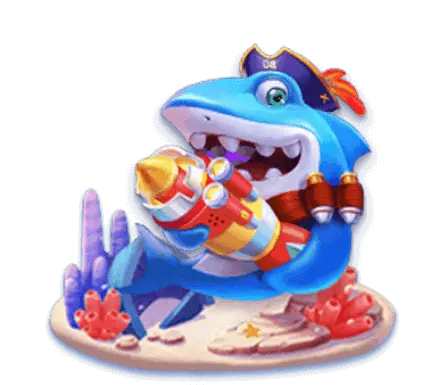
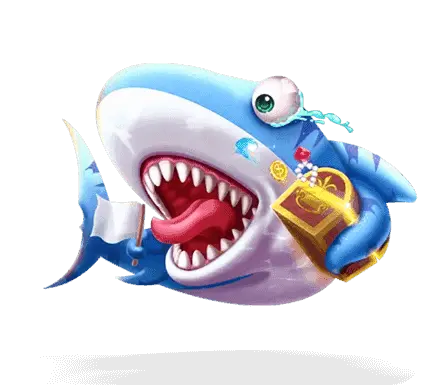
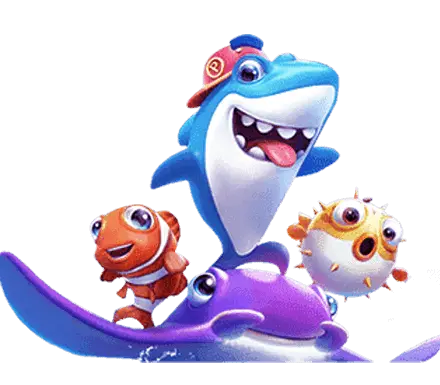
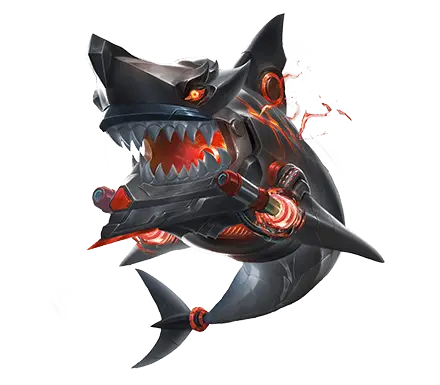
This guide explains the category artwork, common control features and the differences between Fishing and other game types. Individual titles may apply different rules and settings, even when their visuals look similar. No target size, weapon or firing pattern can guarantee a winning outcome.

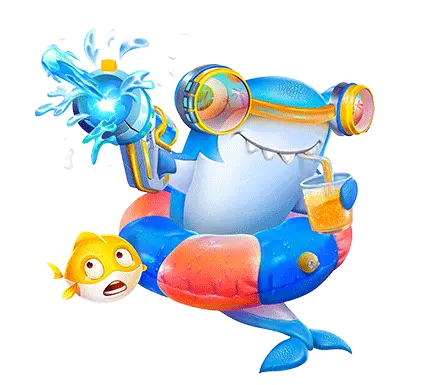
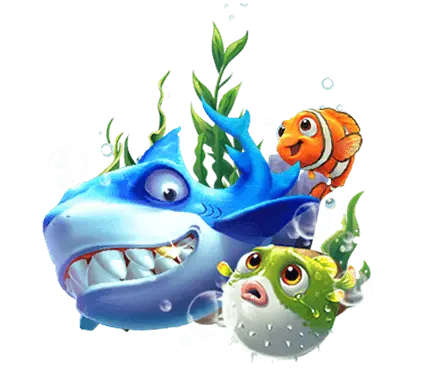
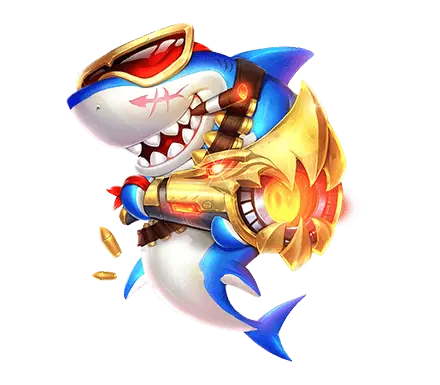
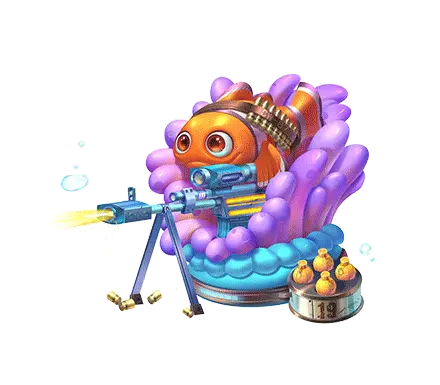

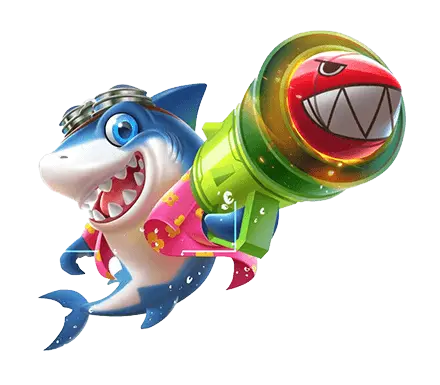

How Fishing Games Work
Fishing games use an on-screen cannon to fire at moving underwater targets. Each shot consumes a set amount of game credit, and the cost changes when the cannon value is adjusted. A target may award credit when captured under that particular game’s rules.
The most useful starting point is the cost per shot rather than the size of a fish on the screen. Rapid firing can consume credit before a player has time to review the balance. Read the in-game rules and check the cannon setting before starting a session.
Understanding Shot Costs and Controls
A cannon setting determines how much credit is spent each time a shot is fired. For example, ten shots at ten credits each would use one hundred credits before any game outcome is considered. Higher settings increase spending per shot but do not guarantee a successful capture.
Some titles offer lock-on, auto-fire, or special weapons such as lasers and area effects. Lock-on helps follow a moving target, while auto-fire releases repeated shots without continuous tapping. The availability, cost and behavior of these features vary by title, so consult the rules rather than assuming every game works alike.
Choosing Targets Carefully
Small fish, large fish, bosses and special targets may appear together in a busy scene. A larger visual reward does not establish that a target is easier to capture. Chasing a single target for too long can result in significant credit use.
Moving targets can also leave the screen before further shots have any useful effect. A lock-on feature does not guarantee that a target will be caught in time. Review the amount already spent and stop when the planned session limit is reached.
Explore the 26M Fishing Gallery
The gallery includes entries labelled Fishing, JILI Slots, FC Slots, JDB Slots, CQ9 Games and WD Fishing, among others. These are the category labels displayed with the artwork, and some labels may represent a provider or an entry point rather than a single game title. Check the title shown inside the selected game before relying on a category label.
Several gallery labels include the word “Slots” even though they appear within the Fishing category. That naming alone does not confirm a game’s mechanics, available weapons or reward structure. Compare the game instructions and cannon settings for the specific title you open.
Compare Fishing with Other Game Categories
Fishing emphasizes target selection and the cost of individual shots, while Slots are organized around spins and symbol combinations. Live Casino presents dealer-led table games through video. Sports and Esports use events and market rules rather than an underwater shooting screen.
Other categories use different structures and terminology. Poker focuses on cards and hand values, while 4D and Lottery use number-based result formats. Visit the 26M home page to compare categories before deciding which guide to read next.
Account Safety and Responsible Play
Set a spending limit and a time limit before playing any credit-based game. Do not increase the cannon value simply to recover previous losses. A run of unsuccessful shots does not make a future capture certain.
Keep passwords, one-time codes and account PINs private, and verify the website or app source before signing in. Be cautious of scripts or tools claiming to guarantee captures or reveal a secret winning pattern. For more guidance, read the Responsible Gambling page and take a break when limits are reached.
What to Check Before Playing
A few practical checks can make a game’s credit use easier to understand. Start with the actual game title and its instructions rather than the artwork alone. The table below summarizes the details worth checking before any session.
Different games may display these settings in different menus or screens. If a feature or cost is unclear, avoid assuming it follows another game’s rules. Keep the amount you can afford to lose separate from essential spending.
| Item | What to verify |
|---|---|
| Cannon value | Credit cost of one shot |
| Auto-fire | Whether continuous shooting is enabled and how to stop it |
| Lock-on | How the selected target is followed |
| Special weapons | Availability, duration and any extra cost |
| Session limit | Maximum time and credit spend you have set |
- Read the title-specific rules before firing.
- Start by checking the cannon value and balance.
- Review the total cost of repeated shots.
- Stop when your planned limit is reached.
Frequently Asked Questions
Do larger fish guarantee better results?
No. A larger displayed value does not prove that the target is easier to capture. Check the specific game rules.
Does lock-on guarantee a capture?
No. Lock-on helps track a target but does not guarantee the outcome of a shot.
Why can credits decrease quickly?
Every shot has a cost. A higher cannon setting or continuous auto-fire can spend credits rapidly.
Are all gallery labels individual games?
Not necessarily. Some labels may describe providers or category entry points, so verify the game title after opening an entry.